A post-acquisition consolidation, worked live by the people who have to sign one.
How the afternoon runs
01The deal, and your first decision— before anyone explains anything
02Five turns— reconciliation, migration, comp, the customer, the people
03The coalition— who has to say yes
04Three collisions— where the decisions contradict
05The close— one decision you take home
One operating model in six months. Not one CRM in six months.
Six weeks ago the deal closed. The integration did not.
The deal on your desk · six weeks after close
NorthBridge AI has acquired ContractIQ
NorthBridge AI The acquirer · Boston
$54M ARR · 380 people · 1,200 logos
Contract intelligence for the buy side: legal and procurement
Runs Salesforce
ContractIQ The acquired · Denver · founder-led
$24M ARR · 140 people · 650 logos
Contract analytics for the sell side: revenue teams
Runs HubSpot
$78Mcombined ARR31%blended growth520people1,850logos$120Min 24 months, the Granite Ridge target
Six weeks after close, before any integration plan
One CRM. One source of truth. Within six months.
Marcus Hale, PE operating partner
Burning right now, to run one company twice
$700K
A year. $1.8M of tooling that consolidates to about $1.1M. Two pipelines, two forecasts, two answers to every question.
Post-acquisition tech-stack audit · six weeks after close
Two systems, nine categories
Category
NorthBridge acquirer
ContractIQ acquired
CRM
Salesforce Enterprise
HubSpot Professional
Marketing automation
Marketo
HubSpot Marketing Hub
Sales engagement
Outreach
Apollo.io
Conversation intelligence
Gong
None: manual call notes
Revenue intelligence
Clari
None: spreadsheet forecasting
Customer success
Gainsight
Airtable and Zapier, custom-built
CPQ and billing
DealHub + NetSuite
PandaDoc + Stripe
Data enrichment
ZoomInfo
Clearbit
BI and analytics
Tableau on Snowflake
Google Sheets + Metabase
Combined $1.8M a yearConsolidated $1.1M a year$700Kof annual redundancy, flagged by the PE firm
For the next two hours
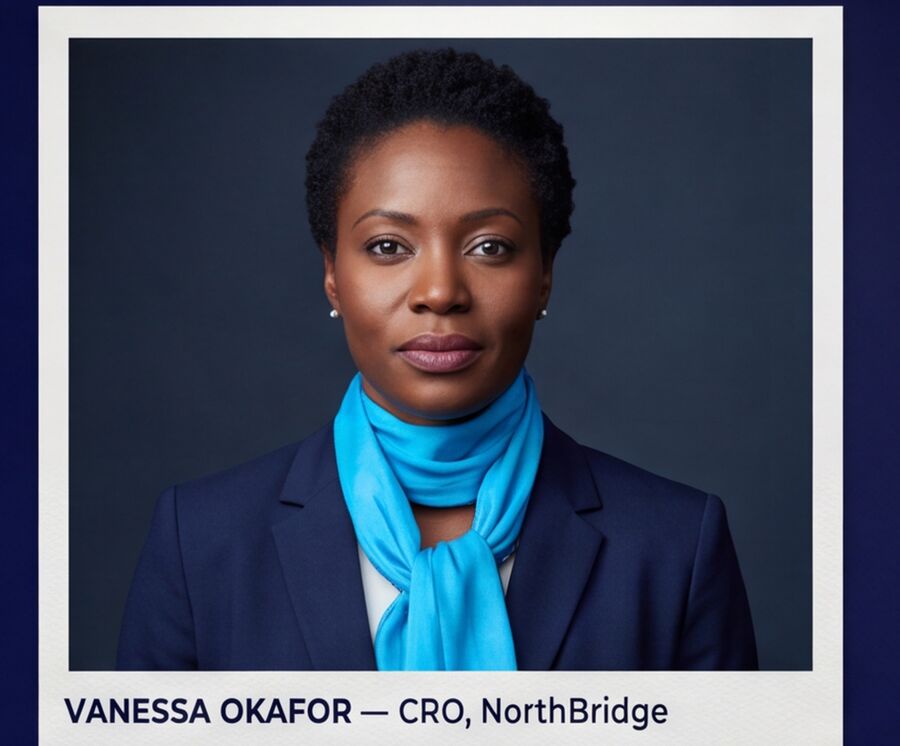
You are Vanessa Okafor
CRO of the combined company. 2.1% equity, worth eight to twelve million at the target exit. Ten days until you take the board a consolidation plan.
Before anyone explains anything
You have ten days. What do you do first?
Write it on your card. One line, nobody sees it. Then we find out how much this room disagrees.
The people in the room
Every system decision today is a decision about one of them.
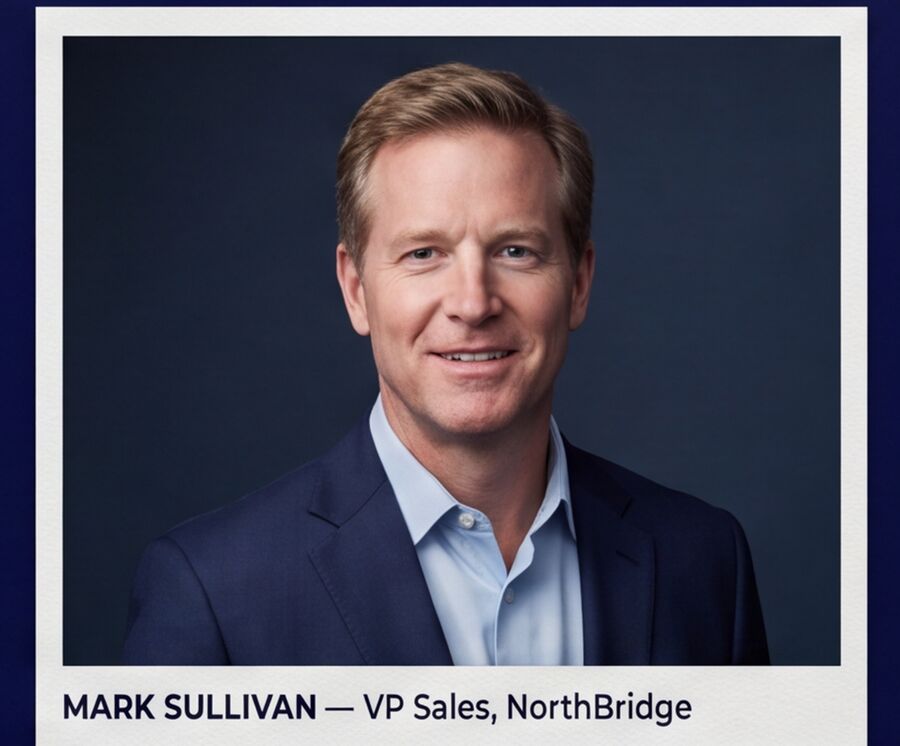
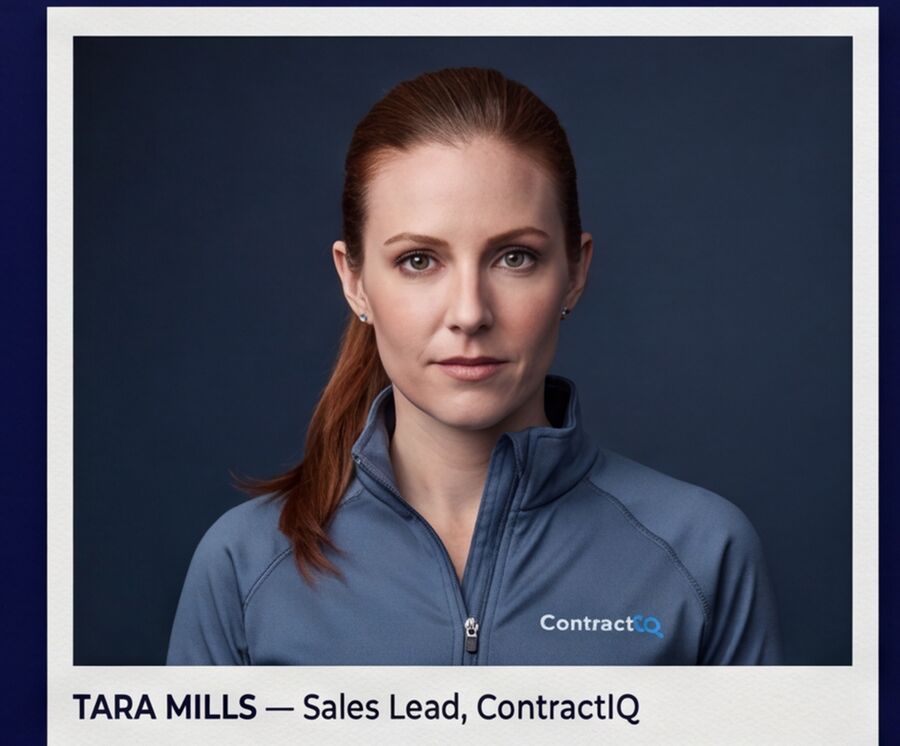
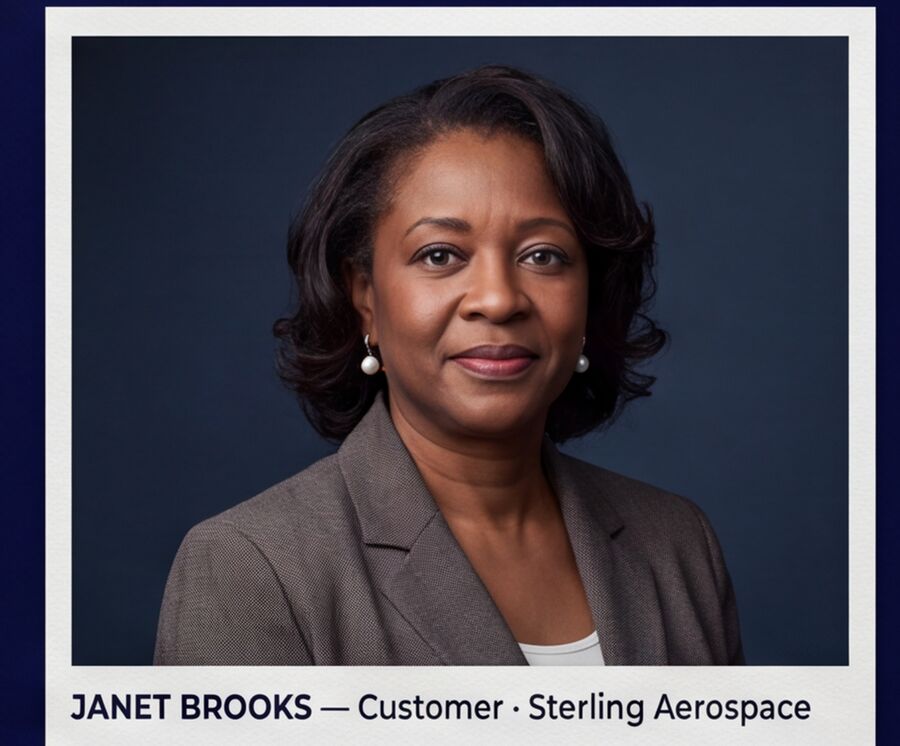
Vanessa Okafor, CRO. Elena Vasquez, CFO. Marcus Hale, the PE operating partner. Derek Huang, VP RevOps. Daniel Cho, the founder. Mark Sullivan and Tara Mills carry the two sales orgs. Janet Brooks pays you $310K and renews in month four. Remember the faces.
For the next two hours, this is you
Vanessa Okafor
CRO · NorthBridge
Controls
The revenue architecture, and the only plan the board will see.
Wants
A sequence she can defend, and the ten days to build it.
At stake
2.1% equity, worth $8–12M at the target exit. And the seat.
Turn 1 · the ally
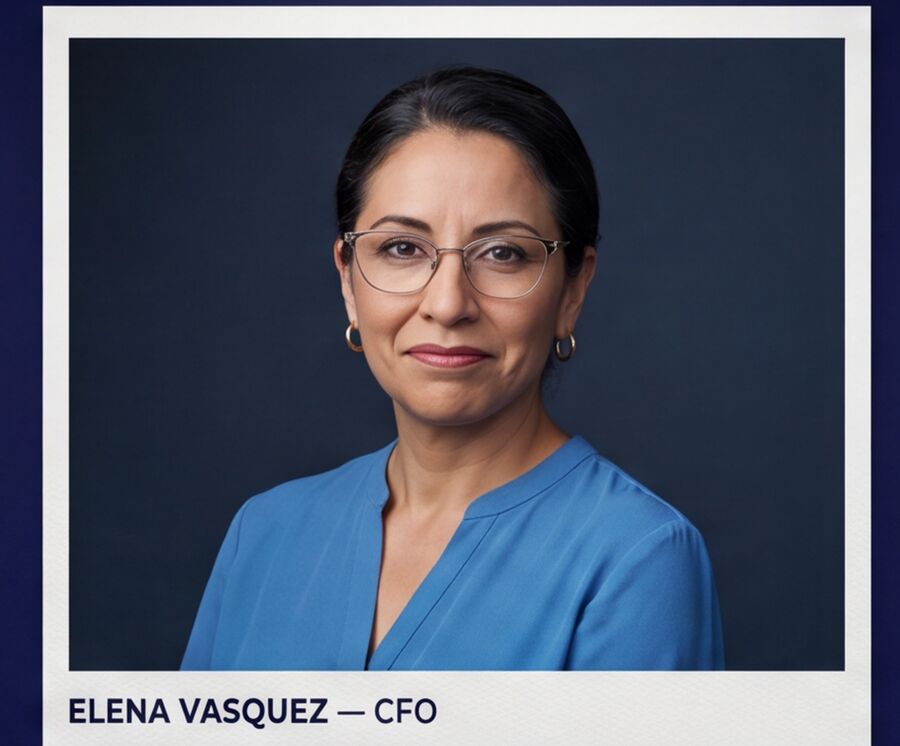
Elena Vasquez
CFO
Controls
NetSuite, Stripe, and the only numbers a diligence firm will accept.
Wants
A reconciliation she can sign, and no billing migration on a CRM timeline.
Costs you
Reconcile on her ground and you gain someone who outranks the org chart. Go around her and the bridge gets built without you.
The clock
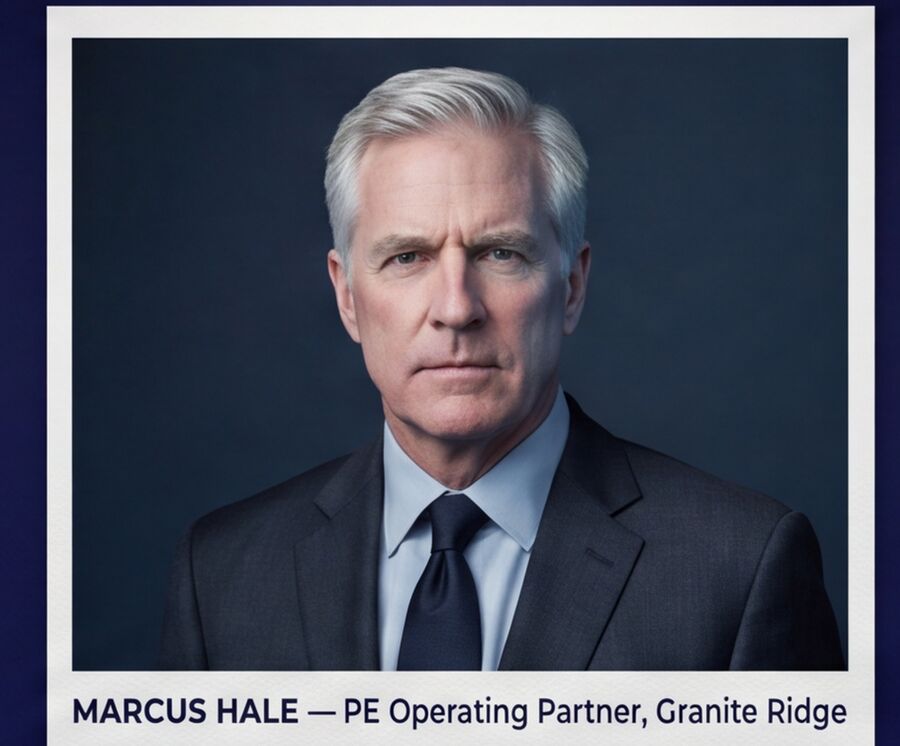
Marcus Hale
PE Operating Partner · Granite Ridge
Controls
The mandate, the capital, and the calendar.
Wants
One CRM, one source of truth, six months. $120M in twenty-four.
Costs you
He runs integrations professionally, across a portfolio. You run one. He is pressure to convert, not an obstacle to survive.
The trap
Pick a CRM and migrate
It relieves the pressure fast, which is exactly why everyone reaches for it. It is a symptom fix: the real work atrophies, and two ops teams become adversaries defending their own definitions and their own comp. The leverage was never the database.
Five stages of one motion, not five tools
01Reconcile what we have— diligence; gates everything below
02Migrate to the survivor— risk; protects the plan
03Install the operating model— EBITDA; comp is direct margin
04Activate the merged base— NRR; the heaviest lever
05Carry the people through it— the constraint on all four
Turn 1 · Reconciliation
The number nobody can trust
It decides whether any other number in the room is real.
Sterling Aerospace · one account, four systems
Line
Contract
CRM
Provisioned
Billed
Core Platform
$124K
$124K
$124K
$118K
Analytics Add-on
$96K
$102K
$90K
$96K
Premium Support
$90K
$90K
$84K
$87K
Account
$310K
$316K
$298K
$301K
Four systems, four numbers, one customer. The gap between CRM and billed, the recognised number, is $15K — 4.7%.
4.7% across a $78M book
$3.7M
Of revenue drift no roll-up will show you. And none of it is a duplicate-contact problem — a dedup pass would never touch it.
The principle
One authoritative source per metric, not one database
Pipeline
CRM
Revenue
ERP (billing sub)
Health
CS platform
Lead
MAP
Activity
Capture tool
Which means a defensible reconciliation can be built across two CRMs. Reconciliation is a measurement problem, not a migration problem.
The reconciliation bridge
From CRM-reported ARR to audited revenue
The $78M combined ARR is two CRM numbers never tied to one ledger. A quality-of-earnings firm steps it down line by line. The gap is the variance the CRO must explain at exit.
$78M
CRM-reported ARR
Duplicate-logo adjustment
Bookings to billings timing
ASC 606 recognition
Audited recognised revenue
Variancethe dollars the CRO owns at the QoE exit
Schematic: only the $78M is stated; the step-downs are illustrative.
Elena Vasquez · CFO
That bridge gets built on her ground.
She owns NetSuite, Stripe and the diligence bridge. Reconcile on her terms, with her numbers, verified, and you gain an ally who outranks the org chart. That is the first coalition move of the day, and the first deposit.
Turn 2 · Migration risk
Clean before you cut over
Protects the plan. Creates no value. Skipped anyway, every time.
What you are migrating
Duplicate contacts, acquired side
~30%
Required-field fill
55%
Gate targets before cutover
≤5% · ≥85%
HubSpot's Deal is not a drop-in for the Opportunity — ad-hoc line items against a price book, many companies against one account — so deals are re-modelled rather than copied. Stage history does not travel: two years of velocity baseline restarts at cutover. Six integrations break.
The sequence, and the one gate that fails most plans
G1Clean · dedup · identity— upstream of the migration
G2Field map + object remodel
G3Migrate— only on a proven sandbox dedup
G4Reconcile— a documented bridge to audited revenue
G5Dashboards— trusted data before anyone forecasts
Clean data before migration. Trusted data before dashboards.
Turn 2 · the wound
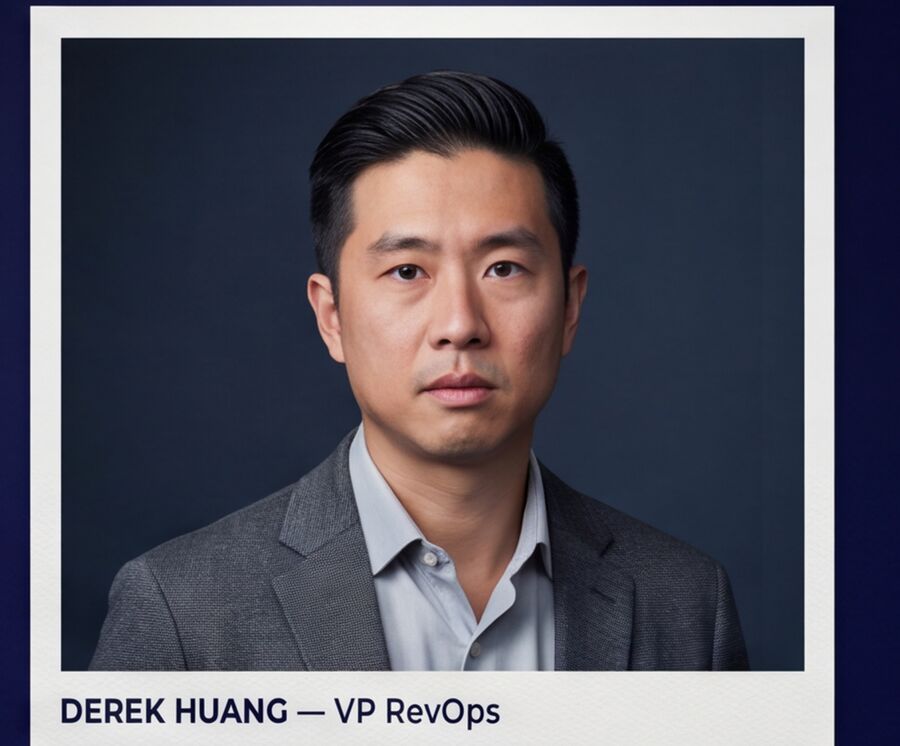
Derek Huang
VP RevOps · battlefield-promoted
Controls
The eight people who will run whatever you design.
Wants
To be right about the data, and not to be exposed.
Costs you
He called the acquired data “not ready for institutional use.” Right about the data, wrong about the people.
Derek Huang · VP RevOps, battlefield-promoted
He called their data "not ready for institutional use."
He was right about the data and wrong about the people. Both cost you; only one shows up in the sandbox. Heard from the acquired side, data cleanup sounds like your work was garbage. Migration is a change-management exercise wearing a technical costume.
Turn 3 · Operating model and comp
One company, one operating model
Comp is direct margin. This is the structural centre of the afternoon.
Two plans, two armies
NorthBridge · 50/50 · 32 AEs
~$240K OTE
ContractIQ · 60/40 · 8 AEs
~$190K OTE
Current combined
$9.20M
Harmonise at $230K
EBITDA-neutral
Harmonise at $240K
+$400K/yr
Parallel-run quarter, one-time
+$280K
Quota-retirement rules differ, so the same booked dollar retires differently depending on which plan a rep is on.
What $400K a year is actually buying
AEs flagged at risk
3 of 8
ARR they carry
~$9.0M
Backfill and ramp
~$1.1M
Founder earnout at ≥90% retention
$4.0M
Turn 3 · the larger book
Mark Sullivan
VP Sales · NorthBridge
Controls
32 AEs on $240K at fifty-fifty, and the bigger half of the revenue.
Wants
No change to a plan that is already working for his team.
Costs you
Harmonising down trims thirty-two OTEs by $10K each. Buy retention on one side and flight risk appears on the other.
Turn 3 · the kitchen table
Tara Mills
Sales Lead · ContractIQ
Controls
Nothing on the org chart. She is one of the eight.
Wants
Not to take a pay cut for an acquisition she did not choose.
Costs you
Three of eight are flagged at risk, carrying ~$9.0M. Hers is the kitchen table the comp plan lands on.
Where a comp plan actually lands
A kitchen table, at night, next to a calculator and a family photo.
The 60/40 reps will read any change as a pay cut until you show them the math. To you it is architecture. To her it is the mortgage. The dual-run quarter is how that becomes a deposit instead of a withdrawal.
$78M to $120M in 24 months
Requires 24% compound. You already grow 31%.
Business as usual reaches about $134M and overshoots the target. The plan is conservative on purpose: it pre-funds integration drag. Disciplined that is −$8M. Botched, −$26M.
A botched migration is the only thing that misses a conservative target. This was never an upside bet.
Turn 4 · Cross-sell and retention
The customer is in the room
1,850 logos keep paying you while you rewire underneath them.
The $12M synergy line
Already buy both — the beachhead
~180
Addressable on the other side
~1,500
Year-1 wins × incremental ACV
~120 × $40K
Year 1
$4.8M
Cumulative by month 24
$12M
This is a new motion into a different buying center, not a warm expansion. Treating it as one is how the synergy line quietly misses.
The exposure nobody models
Renewals inside the migration window
140 · $5.2M
At peak risk, months 3–4
$2.3M
4-pt GRR slip on the $24M acquired book
~$960K/yr
Same order of magnitude as the productivity risk everyone does model, and invisible, because nobody put it on the page. Sequence the cutover against the renewal calendar.
Turn 4 · the customer
Janet Brooks
Customer · Sterling Aerospace
Controls
$310K of contracted ARR, renewing in month four.
Wants
Continuity, and one familiar face.
Costs you
140 accounts like her renew inside the window. A four-point GRR slip is about $960K.
Janet Brooks · Sterling Aerospace
Janet does not care about your migration.
She is the $310K account from Turn 1, and she renews in month four, inside the window where the dashboards go dark. She needs continuity and one familiar face. Schedule the cutover around her calendar, not yours.
Turn 5 · People
Who runs the system
Tech consolidation never answers this. It is the constraint on everything above.
Eight people now own a stack none of them designed
Inherited RevOps team
6 + 2 = 8
Develop : backfill : retain
3 : 1 : 4
Coverage priorities
gates · dashboards · renewals
The single backfill is a skills-fit call, never a performance one. The two acquired staff are the flight risk, and that is a belonging problem, not a headcount line.
Turn 5 · the lever
Daniel Cho
Founder · ContractIQ
Controls
The loyalty of the acquired team.
Wants
His $4.0M earnout, which is retention-gated.
Costs you
“You’ll lose three of the eight” is half self-interest and half alignment. Resistance you can align is a coalition asset.
Daniel Cho · Founder, ContractIQ
"You'll lose three of the eight."
His $4M earnout is retention-gated, so the warning is half self-interest and half alignment. His earnout and your retention plan overlap on the same eight people. Resistance you can align is a coalition asset.
Before you reconcile anything
Your plan is seven conversations before one board meeting
Elenathe CFO, your load-bearing ally, and the one who outranks the org chart
Marcus Halethe PE partner, pressure to convert rather than an obstacle to survive
Daniel Chothe founder, resistance to align, with an earnout pointing your way
This was never just a technology decision. The CRO's job here is coalition building.
And it runs on one currency
The number one currency of a CRO is trust
Deposits +
Reconcile on the CFO's ground, her numbers, verified
Dual-run comp, so nobody's paycheck is a surprise
A named development path for the absorbed team
Renewal continuity promised to customers, and kept
Withdrawals −
Their data called "not ready for institutional use"
A comp change announced without the math
Migrating straight through renewal season
A battlefield promotion with no support behind it
Every decision today was one or the other. The balance walks into the boardroom with you.
Where the decisions contradict
The clean-data gate against the cross-sell start.Which one moves?
The elegant comp model against retention reality.Hold the plan, or bend it for the pod?
CRO, CFO, and the PE partner on decision rights.Who actually decides the cutover sequence?
On the table
12 wk · $380KA · Big-bang
Fastest to unified visibility. 15–20% productivity loss for the quarter.
6 mo · $420KB · Phased
Lower disruption per phase, 5–8% sustained loss. Cross-sell delayed about three months.
$180K + $700K/yrC · Warehouse
Keep both CRMs, federate. Zero productivity disruption; highest long-term operational debt.
yoursD · A synthesis
The one a board actually wants to hear, if you can sequence it.
Three paths to one source of truth
Each path wins a row and pays for it on another
A · Big-bang 12 weeks · rip the band-aid
B · Phased 6 months · stage the risk
C · Warehouse + identity ongoing · bridge, don't choose
Cost
$380Kone-time
$420K
$180Kplus $700K a year, never ends
Productivity hit
15–20%$0.9–1.2M on the $24M base
5–8%sustained over six months
None
Cross-sell visibility
At cutover
+3 months
~4 weekswiring; matched 6–8 weeks after dedup
One source of truth
Immediate
Phased
Neveralways a reconciliation
The board will say
“the acquirer's system wins”
“6 months is an eternity”
“you're dodging the call”
Defend the one you hold when Hale names the row where it loses; name the path you rejected. Or is the answer even one of these three?
What a strong answer names
The alternative you rejected, and the condition under which it would have been right.
The sequence. Clean data before migration; trusted data before dashboards.
The reconciliation plan, before a diligence firm tests the bridge for you.
The attrition plan. Who leaves, and what that costs.
The customer plan, so the transition stays invisible to the people paying you.
No single leader solved it either
The system is the people who run it.
Your job was never to pick a tool. It was to set the goal, one operating model in six months, and to build the coalition that carries it.
Think about the integration you're actually dreading.
Not this one. Yours. There is one sequencing decision in it you have not written down.